It’s been nearly two years since Minnesota’s ”Red Flag” law (Extreme Risk Protection Orders, or ERPO) went into effect on Jan. 1, 2024.
Despite initial confusion, court data from the first two years of the law’s operation shows exactly how judges are applying it.
It Is Not Automatic
A common misconception is that a simple phone call to 911 results in immediate gun confiscation. This is false. The process is designed with due process protections.
To get an ERPO, one of the people the law names must file a formal petition with the court: a chief law enforcement officer or that officer’s designee, a city or county attorney, a family or household member or a guardian of the respondent. The law defines “family or household members” broadly to include spouses, former spouses, parents, children, people residing with the respondent, or a person in a significant romantic or sexual relationship with them.
A judge must review the evidence presented in the petition to determine if the person poses a “significant danger” of bodily harm to themselves or others. The petitioner should be as detailed as possible and can include documents like police reports and medical records. Data from 2024, the law’s first year, showed that 71 percent of petitions were initiated by law enforcement.
Emergency vs. Long-Term
The law provides for two types of orders, each with its own burden of proof and timeline:
Emergency Ex Parte Order: A judge can issue this right away without the gun owner present if there is probable cause that the person poses a significant danger by possessing a firearm and presents an “immediate and present danger” of bodily harm to others or of taking their own life. In 2024, courts granted 95 percent of these emergency requests. The order lasts for 14 days and is designed for immediate crises.
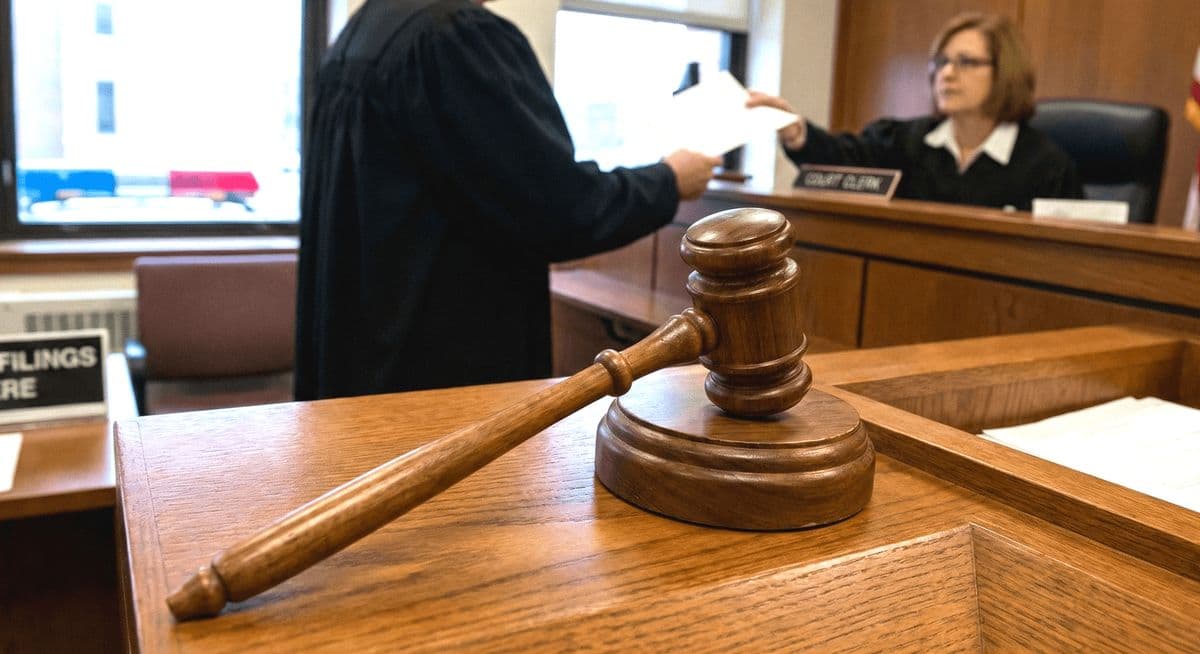
Final Order: This is issued only after a full court hearing where the respondent (gun owner) has the opportunity to testify, present their own evidence and be represented by a lawyer—though, as a civil process, they must pay for their own counsel. The hearing must be held within 14 days of the petition being filed. If granted, a Final Order lasts at least six months and no more than one year. It can be extended.
Emergency Ex Parte Order: A judge can issue this right away without the gun owner present if there is probable cause that the person poses a significant danger by possessing a firearm and presents an “immediate and present danger” of bodily harm to others or of taking their own life. In 2024, courts granted 95 percent of these emergency requests. The order lasts for 14 days and is designed for immediate crises.
Final Order: This is issued only after a full court hearing where the respondent (gun owner) has the opportunity to testify, present their own evidence and be represented by a lawyer—though, as a civil process, they must pay for their own counsel. The hearing must be held within 14 days of the petition being filed. If granted, a Final Order lasts at least six months and no more than one year. It can be extended.
The Consequence
If an Emergency or Final Order is granted, the subject is prohibited from purchasing or possessing firearms while it is in effect. They must transfer any firearms they currently possess as soon as reasonably practicable and within 24 hours to a federally licensed firearms dealer or a law enforcement agency. An antique firearm or a curio or relic may instead go to a relative who does not live with them and may lawfully own or possess a firearm. If they do not, law enforcement can obtain a search warrant to seize the weapons. Possessing a firearm when the person knows or should have known that an ERPO forbids it is a misdemeanor and brings a five-year ban on possessing firearms.
RELATED: Gun violence deaths increased in first year of Minnesota ‘red flag’ law
RELATED: A state law has prevented shootings, but enforcement is inconsistent
RELATED: Extreme Risk Protection Orders: A year of evidence-based prevention